Need an Electrician?
Captain Cook Electrical
– A Pleasure To Deal With
» The Captain’s Journal – Electrical Blog » Emergency Electrical Safety Guide

Captain Cook Electrical
– A Pleasure To Deal With
Electricity powers nearly every aspect of modern living. From keeping the lights on to running essential appliances, we often take it for granted…until something goes wrong. An electrical emergency can strike without warning, creating serious risks to both people and property.
These situations are more common than many homeowners realise. Severe storms, outdated wiring in older houses, and even small DIY electrical mistakes can all create sudden hazards. Knowing what to do in these moments can make the difference between a minor scare and a life-threatening incident.
This article will help homeowners recognise common electrical hazards, take immediate steps to protect themselves, and understand when to seek professional help.
An electrical emergency is any situation where electricity creates an immediate danger to life, safety, or property. If you notice sparks, flames, smoke, shocks, or power failures that can’t be explained, you’re dealing with an emergency that requires urgent action. Below are the most common electrical emergencies homeowners face:
A blackout affecting only your property can point to serious electrical faults. If your supplier confirms it isn’t an area-wide outage, call a licensed electrician straight away. Prolonged power loss can leave essential systems like fridges, alarms, and medical equipment unusable, making it more than just an inconvenience.
In some cases, power outages are caused by faulty switchboards or overloaded circuits. Ignoring them may risk equipment damage or even fire once the power comes back.
If you see sparks or flames from a switch, outlet, or appliance, turn off the power at your switchboard if it’s safe to do so. Sparks are a clear sign of faulty wiring or equipment and can quickly escalate into fire. Do not continue using the outlet or appliance until it has been inspected by a professional.
A burning smell, especially one that’s not linked to cooking or heating appliances, usually signals overheating wires or electrical components. These can ignite and start fires. Isolate the affected circuit at the switchboard and call an emergency electrician immediately.\
If you smell burning but can’t trace the source, treat it as an emergency. Fires often begin in concealed areas like roof cavities or behind plasterboard.
Even a mild shock is serious and should never be ignored. Shocks often indicate faulty wiring, damaged cords, or unsafe outlets. Always seek medical attention after receiving a shock, and ensure the source is isolated before an electrician inspects the fault.
Circuit breakers are designed to trip when there’s an overload or short circuit. But if your breaker keeps tripping for no clear reason, it’s a warning sign of deeper problems. Faults like these can cause fire or equipment damage if not addressed quickly.
Frayed, chewed, or exposed wires are among the most obvious electrical hazards. They can deliver dangerous shocks or spark fires. Do not attempt to patch them with tape. Turn off the power and call a licensed electrician to replace or repair the wiring safely.
Homes with pets or rodents are especially at risk, as animals often chew through insulation, leaving live wires exposed.
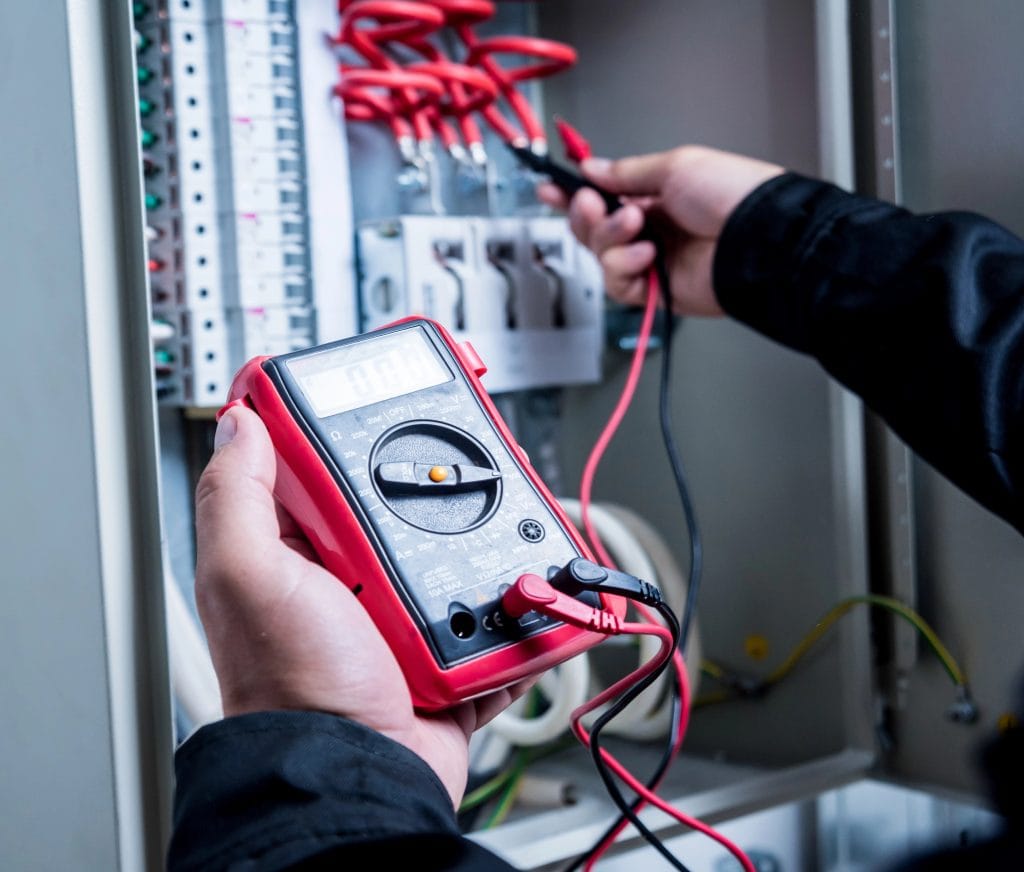
If you suspect an electrical emergency, your first priority is safety. According to Ausgrid here’s what you should do:
You should call 000 straight away if there’s a direct risk to life or property. Key situations include:
For urgent but non-life-threatening issues, contact a licensed emergency electrician in Sydney. If you’re unsure, always prioritise safety and dial 000 first.
Here’s a simple home checklist to help you identify hazards before they turn into emergencies:
| Area | What to Check | Why It Matters |
| Overall Electrical System | Arrange periodic inspections | Prevents hidden faults from causing fires |
| Switchboards | Ensure modern switchboard in good order | Reduces overload and fire risk |
| Smoke Alarms | Test regularly; replace batteries | Only working alarms save lives |
| Lighting | Check for flickering or unusual behaviour | Prevents electrical faults and hazards |
| Power Points | Look for cracks, burn marks, or looseness | Damaged outlets can cause shocks |
| Safety Switches | Test every 3 months | Confirms they’ll protect against electrocution |
| Heating & Cooling Systems | Service regularly | Avoids faults and improves efficiency |
| Appliances | Inspect older models; replace if unsafe | Prevents overheating and energy waste |
While not every emergency can be avoided, prevention reduces your risk:

Electrical emergencies are sudden, dangerous, and potentially life-threatening. By recognising the warning signs, taking immediate safety steps, and maintaining your home’s systems, you can protect your family and property.
Remember: call 000 right away if there’s imminent danger.
For urgent but non-life-threatening issues, a 24/7 electrician in Sydney can provide fast, professional help.
Need help fast? Captain Cook Electrical is available around the clock to handle emergencies and keep your home safe
Important: If you need an electrical job completed quickly, please phone us on 1300 669 135 24 hours a day and talk to one of our staff. If you fill the form in below, we will assume your enquiry is not an emergency and respond accordingly.